Skip to content
Google Ads vs SEO: Which Is Better for Your Business?
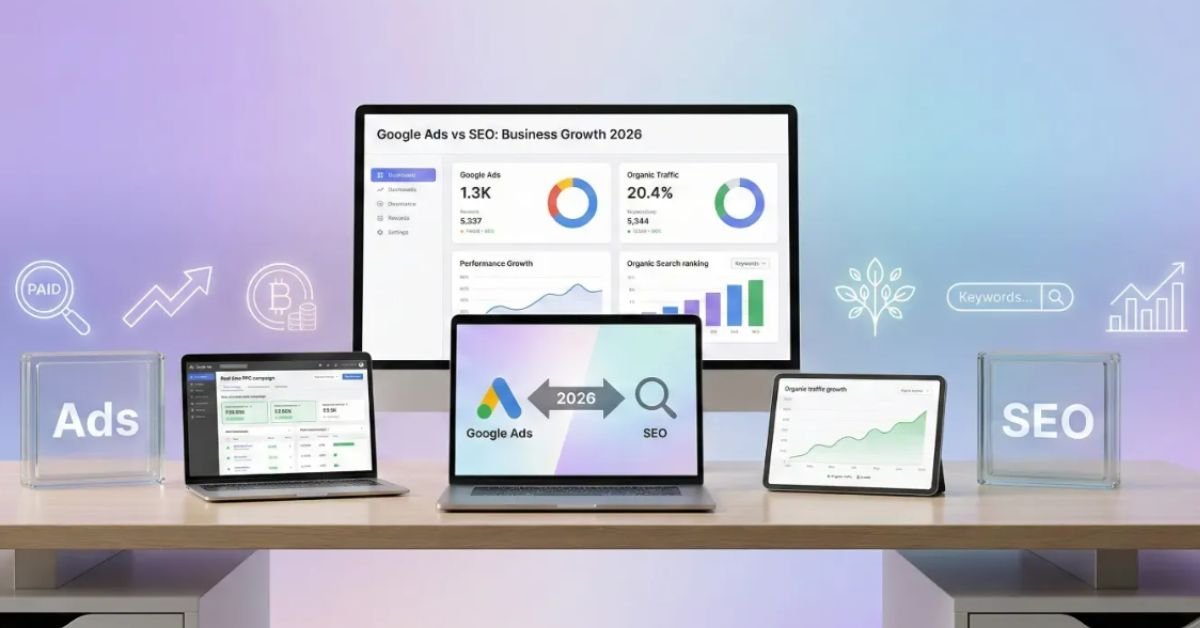
The Google Ads vs SEO debate is one of the biggest decisions businesses face when planning their online growth. Google Ads can drive instant traffic and leads, while SEO focuses on long-term organic visibility and trust. Many businesses struggle to choose between paid and organic marketing because each works best in different situations. Drawing from real campaign experience at India Digital Agency, this blog explains the key differences between Google Ads and SEO, their costs, benefits, and limitations, and when each strategy makes the most sense. By the end, you’ll have a clear understanding of which option or combination of both is right for your business goals.
What Is Google Ads?
Google Ads is Google’s paid advertising platform that allows businesses to display ads across Google Search, YouTube, and partner websites. Advertisers pay only when users click on their ads, making it a performance-driven model designed to attract high-intent traffic.
Google Ads works on a pay-per-click (PPC) model, where businesses bid on keywords relevant to their products or services. However, ranking is not decided by budget alone. Google also considers Quality Score, which is based on ad relevance, expected click-through rate, and landing page experience. A higher Quality Score can lower costs and improve ad visibility, even with a smaller budget.
Businesses should use Google Ads when they need immediate visibility, fast lead generation, or quick sales results. It’s especially effective for new websites, competitive industries, product launches, seasonal campaigns, and time-sensitive offers where waiting for organic rankings isn’t practical.
Types of Google Ads
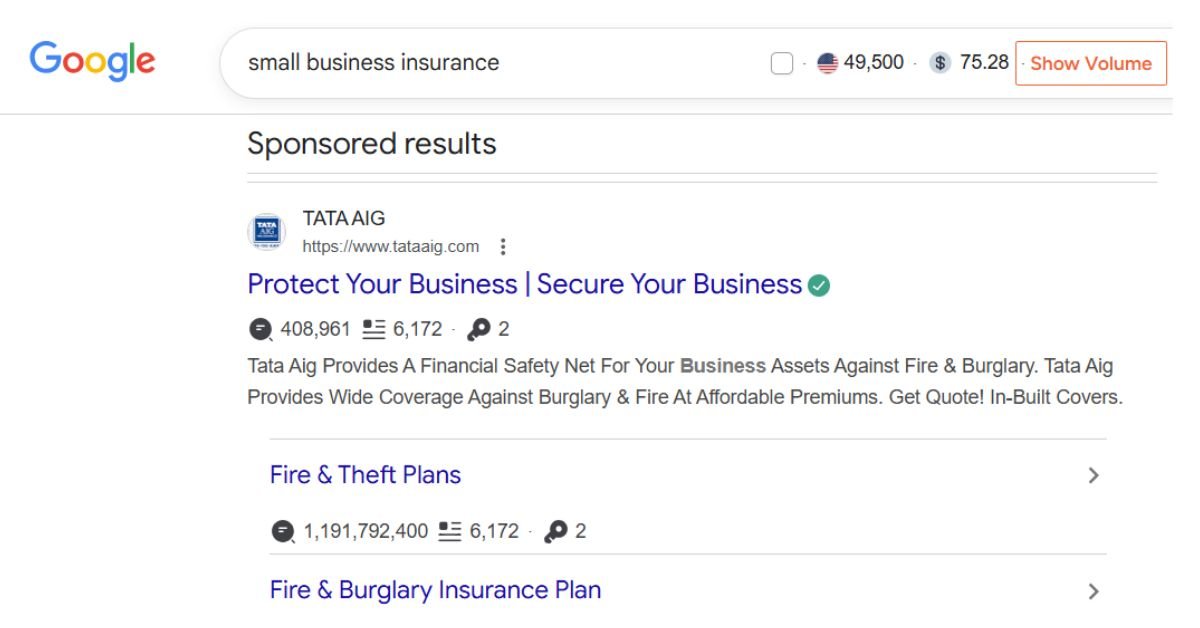

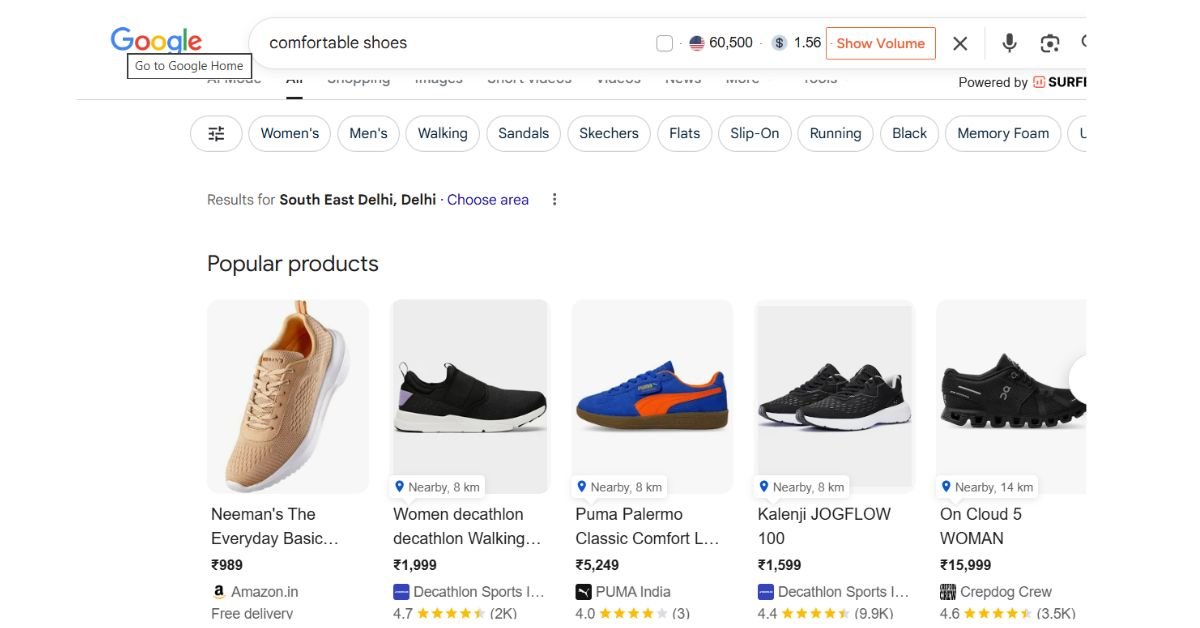
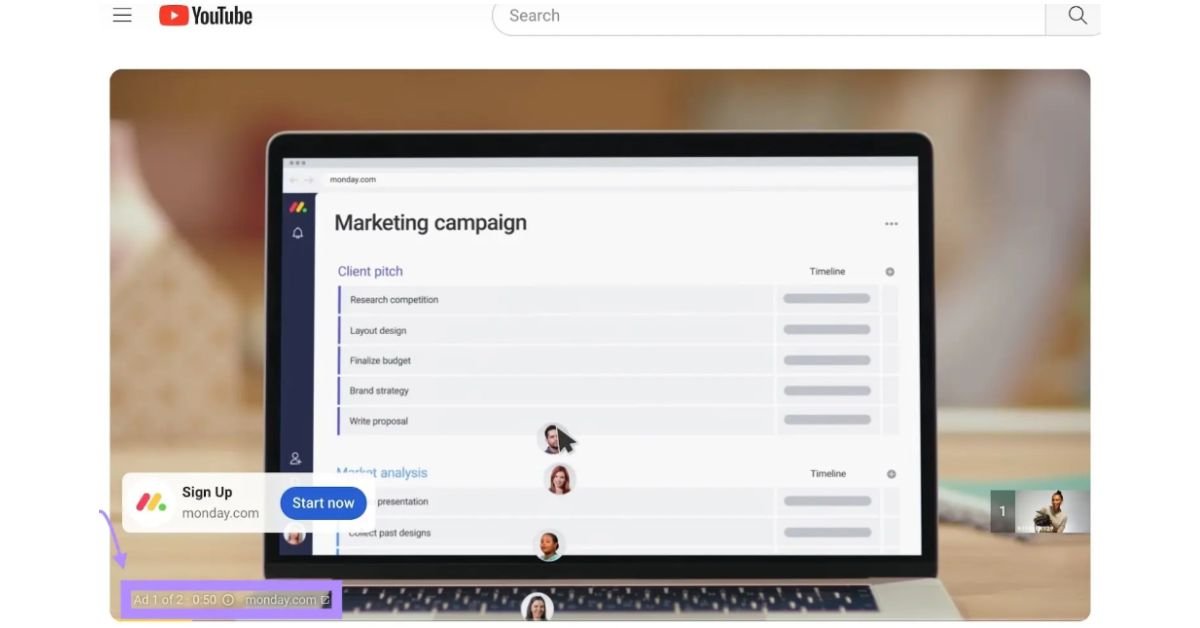
Google Ads offers multiple ad formats designed to match different business goals, whether you want quick leads, brand visibility, or scalable growth.
Search Ads
Search ads are text-based ads that appear at the top of Google search results when users search for specific keywords. These ads work best for high-intent, conversion-focused keywords, making them ideal for businesses looking to generate leads, calls, or direct sales from users who are already searching for a solution.
Display Ads
Display ads are visual banner ads shown across websites and apps within the Google Display Network. They are mainly used for brand awareness, audience targeting, and retargeting, helping businesses stay visible to users who have previously interacted with their website or ads.
Shopping Ads
Shopping ads display product images, prices, and brand names directly in search results. These ads are especially effective for e-commerce businesses, as they allow users to compare products instantly and drive highly qualified traffic to product pages.
Video Ads (YouTube Ads)
Video ads appear on YouTube and Google’s video partner platforms. They are great for brand awareness, product launches, and storytelling, allowing businesses to connect with audiences visually and emotionally at scale.
App Promotion Ads
App promotion ads are designed to increase app installs and user engagement. These ads are shown across Google Search, the Play Store, YouTube, and the Display Network, making them effective for businesses promoting mobile apps.
Performance Max Ads
Performance Max is an AI-driven campaign type that runs across all Google channels from a single setup. It’s best for businesses that want automation, wider reach, and scalable results, as Google’s machine learning optimizes placements and audiences in real time.
Local Service Ads
Local Service Ads appear at the top of search results for service-based local businesses. They follow a pay-per-lead model and include the Google Guaranteed badge, which helps build trust and drive more calls and inquiries.
Benefits of Google Ads
Instant visibility and traffic: Ads can start showing as soon as the campaign goes live, making Google Ads ideal when you need quick results.
Highly targeted reach: You can target users based on keywords, location, device, time, and intent, helping you reach people who are more likely to convert.
Full budget control: You decide how much to spend daily and can pause or adjust campaigns anytime without long-term commitment.
Measurable ROI: Every click, lead, and conversion can be tracked, making it easier to understand what’s working and what’s not.
Great for short-term campaigns: Works especially well for product launches, seasonal offers, events, or limited-time promotions.
Limitations of Google Ads
- Rising costs in competitive industries
- Traffic stops when ads stop
- Ongoing optimization required
- Requires expertise
What Is SEO?
Search Engine Optimization (SEO) is the practice of optimizing your website and its content to improve visibility in organic (non-paid) search engine results. The goal is to attract more relevant traffic by ensuring your site appears higher for the keywords and queries your audience is searching for.
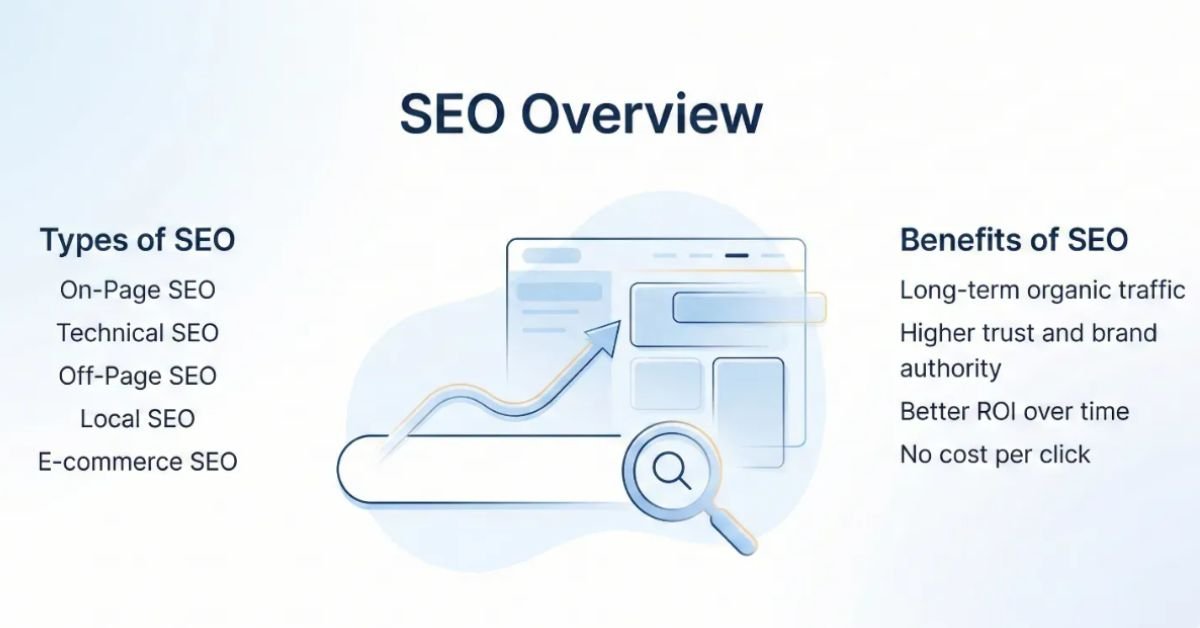
Types of SEO
-
On-Page SEO
On-page SEO focuses on optimizing elements within your website, such as content, meta tags, headings, images, and internal links. This ensures each page is relevant and search-engine friendly.
-
Technical SEO
Technical SEO deals with the backend structure of your website. It includes site speed, mobile-friendliness, secure connections (HTTPS), XML sitemaps, and crawlability to help search engines index your site effectively.
-
Off-Page SEO
Off-page SEO involves improving your website’s authority and reputation through activities outside your site, like building high-quality backlinks, social media engagement, and influencer mentions.
-
Local SEO
Local SEO is designed to boost visibility in local search results. It includes optimizing your Google Business Profile, local citations, reviews, and location-specific keywords to attract nearby customers.
-
E-commerce SEO
E-commerce SEO is tailored for online stores. It focuses on product page optimization, site architecture, user experience, and schema markup to drive organic traffic and increase sales.
Benefits of SEO
Long-Term Organic Traffic
SEO helps your website rank higher in search results, attracting consistent, free traffic over time without relying on paid ads.
Higher Trust and Brand Authority
Websites that rank well in search engines are perceived as more trustworthy and authoritative by users, boosting your brand reputation.
Better ROI Over Time
Unlike paid campaigns, SEO continues to bring traffic and leads over the long term, often delivering a higher return on investment.
No Cost Per Click
Organic traffic from SEO doesn’t require paying for each visitor, unlike PPC campaigns, making it a cost-effective strategy for sustainable growth.
Limitations of SEO
- Slow Initial Results
- Requires Continuous Content and Optimization
- Dependent on Algorithm Updates
Differences between Google Ads and SEO
| Factor | Google Ads | SEO |
|---|---|---|
| Cost | Pay-per-click (CPC varies by industry) | Investment in content, tools, and optimization (no CPC) |
| Time to Results | Immediate visibility once ads are live | Takes weeks or months to rank organically |
| Traffic Sustainability | Stops when the budget ends | Long-term, ongoing traffic if optimized |
| ROI and Scalability | Can scale quickly but costs increase | Higher ROI over time, more sustainable scaling |
| Credibility and User Trust | Perceived as ads, lower trust | Higher trust and authority for organic results |
Google Ads vs SEO: Cost Comparison
Average CPC in Google Ads (Industry-Wise)
Cost-per-click varies across industries, with competitive niches like finance, law, or health having higher CPCs, sometimes exceeding $50 per click.
SEO Investment and Ongoing Costs
SEO requires investment in quality content, tools, technical optimization, and link building. While initial costs may be moderate, ongoing optimization is essential.
Short-Term vs Long-Term Budget Planning
Google Ads is suitable for short-term campaigns with instant visibility, while SEO is a long-term strategy that builds traffic and leads sustainably.
Which Is Better for Your Business?
Startups and New Websites – Google Ads can drive initial traffic and brand awareness quickly.
Small Businesses with Limited Budgets – SEO may be more cost-effective over time, though ads can supplement for immediate leads.
E-commerce Brands – A combination works best: SEO builds organic product visibility, while Google Ads targets high-intent buyers.
Local Service Providers – Local SEO helps attract nearby customers, while ads can push seasonal or urgent promotions.
Google Ads vs SEO for Lead Generation and Sales
Paid Ads for High-Intent Keywords – Perfect for targeting customers ready to buy, delivering instant leads.
SEO for Awareness and Trust-Building – Organic search helps nurture potential customers and establish authority.
Funnel-Based Comparison – Ads are effective at the bottom of the funnel, while SEO influences the top and middle, creating long-term trust and brand recognition.
Can Google Ads and SEO Work Together?
Using Google Ads Data to Improve SEO
Analyzing high-performing keywords from Google Ads campaigns can help identify profitable terms to target in your SEO strategy, improving organic content performance.
Retargeting SEO Visitors with Ads
Visitors who discover your site through SEO can be retargeted with Google Ads, increasing the chances of conversions and sales.
SERP Domination Strategy
By running both Google Ads and SEO for the same keywords, your brand can dominate the search results page, increasing visibility, credibility, and click-through rates.
Google Ads vs SEO in 2026
Impact of AI and Automation
AI-powered tools are making ad optimization smarter and SEO more predictive, helping marketers automate campaigns and content strategies.
Changing User Search Behavior
Users increasingly rely on voice search, AI chat assistants, and personalized results, affecting how both paid and organic search perform.
Why Combining Both Delivers Better Results
A hybrid strategy leverages the strengths of immediate paid traffic and long-term organic growth, ensuring consistent leads, higher ROI, and improved brand authority.
Conclusion
Both Google Ads and SEO play crucial roles in driving traffic, leads, and sales for your business. While Google Ads delivers immediate visibility and targeted results, SEO builds long-term authority, trust, and sustainable growth. The most effective approach is a hybrid strategy that leverages the strengths of both.
At India Digital Agency, we specialize in creating tailored SEO and Google Ads strategies that help businesses maximize online visibility, generate quality leads, and grow revenue. Check out our services and connect with our experts today to take your digital marketing to the next level.