Advantages and Disadvantages of E-commerce in 2025
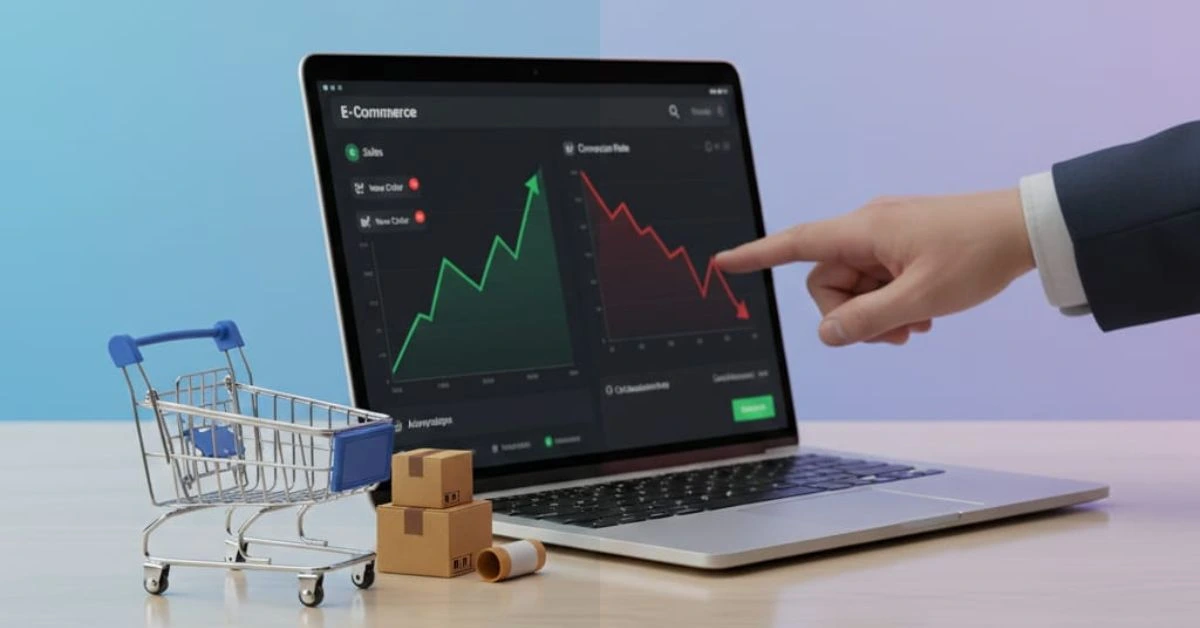
Hello everyone, I’m an SEO expert from an Indian digital agency, and I invite you to this extensive post. We are going to discuss one of the most significant phenomena in contemporary business, i.e., e-commerce, today.
We will examine one of the most intriguing topics in the modern market in this blog (what e-commerce means and why it is so significant, its types, and, most importantly, pros, and cons of starting an e-commerce business in 2025). At the end of the discussion, you are clear where you stand in terms of whether this business model fits you or not and how you can start out the smart way.
What does E-commerce mean?
Electronic commerce, also known as e-commerce, refers to the electronic trading of goods and services over digital platforms, such as the internet or telephone. Shopping is more convenient than visiting physical brick-and-mortar stores; customers can shop at any time and from anywhere they have access, without even needing to leave their homes.
Developments in technologies have seen that customers can now browse products, compare products, buy products, and even make returns with a few clicks. E-commerce not only brings convenience in this new world, but it is also redefining business functionality and purchasing decisions made by consumers.
Importance of E-commerce in Today’s Market
In an age where mobile usage and internet connectivity have skyrocketed, e-commerce has become essential for both small businesses and large enterprises. It’s not just an additional sales channel anymore—it’s often the main one.
Here’s why it matters:
- Consumers expect businesses to be online.
- Shopping behavior has shifted from malls to mobile apps.
- Businesses can reach a national or global audience from day one.
- The cost of launching an online store is much lower than opening a physical outlet.
Whether you’re a solo entrepreneur, a retailer, or an established brand, ignoring e-commerce in 2025 is like turning away from growth.
Types of E-commerce

There are several business models under e-commerce, each with its own advantages:
1. B2C: Business to Consumer
Direct selling from businesses to end customers. Example: Amazon, Flipkart.
2. B2B: Business to Business
Companies selling to other companies. Example: IndiaMART, Alibaba.
3. C2C: Consumer to Consumer
Consumers are selling to other consumers. Example: OLX, Quikr.
4. D2C: Direct to Consumer
Manufacturers are selling directly to buyers. Example: BoAt, Mamaearth.
5. C2B: Consumer to Business
The persons are supplying services or goods to companies. Case in point: Upwork, Freelancer.
All of these models have a variety of opportunities depending on the target audience, available resources, and objectives.
Advantages of E-commerce

Let’s now break down the top advantages that make e-commerce so powerful in 2025:
1. Unmatched Convenience
Department stores are available 24 hours so the clients can shop at any hour they desire. It does not matter what time it is, late at night or early in the morning; there are no business hours. The sales take place at any time.
2. A Global Reach Day One
E-commerce does not set you up with local customers only. Your shop will be able to lure any buyer within the country or even the whole world.
3. Data-Driven Decisions
Monitor viewing, adding to cart, and purchasing of customers. By using such tools as Google Analytics and Hotjar, you can better justify your decisions with real facts.
4. Easier Inventory and Order Management
It is easy nowadays to keep track of the inventory and orders and prevent over-selling and shortage with modern tools.
5. Mobile-first Shopping Experience
By 2025, the majority of buyers do shopping through their smartphones. All online stores and mobile apps can provide a smooth mobile shopping experience.
6. Lower Operating Costs
You also save on rent, electricity, sales personnel, and so on. Online retailing allows you to begin on a small budget and expand when there is a need.
7. Personalization Using AI
The customers adore being understood. E-commerce stores are able to make recommendations, offers, and emails personal.
8. Powerful Marketing Options
Be it SEO, Google Ads, influencer marketing, and so on or retargeting, you can target the right people at the right time.
9. Build Customer Loyalty
You can develop long-lasting partnership with buyers through the loyalty programs, email marketing as well as customer service.
10. Eco-friendly Business Model
Internet businesses decrease carbon emissions, paper wastage and pollutions in the stores as well as the physical stores, in case of green packaging in addition to this.
Disadvantages of E-commerce

There is no business model that is ideal. It has its disadvantages in e-commerce even though it is all good:
1. Security and Privacy Concerns
Storing customer data on online systems exposes it to data breaches and even hacking. You need to invest in safe hosting, SSL certificates, and firewalls.
2. No Physical Interaction
These are areas such as the fashion industry, furniture industry, and luxury product industry—here the customer likes to feel the product or take a test ride.
3. High Return Rates
Especially clothes and shoes that do not fit because of size or color are subject to a high return rate. This becomes expensive and cumbersome.
4. Logistics and Delivery Issues
Misplaced shipments, failure to deliver goods, and breakage can be frustrating and damaging trust in the brand.
5. Technical Know-how Required
It is not like plugging in an online store. You must be cognizant of SEO, CRO, analytics and customer service.
6. Heavy Competition
Its online shops are being established daily. One needs branding, consistency, and innovation to stand out.
7. Hidden Charges
There are payment gateway fees, COD charges, returns, and advertisement spending that can drain the profit margins very easily.
8. Dependency on Platforms
Being over-directed to third-party markets such as Amazon or Shopify might restrain in having your independence as well as profit margins.
9. Cart Abandonment
Many shoppers add products to cart and then disappear, requiring email flows and remarketing to recover them.
10. Complex Tax and Legal Compliance
Interstate, or cross-border, selling implies dealing with GST, customs invoices, and in-country requirements.
How to Overcome E-commerce Challenges
The problems of e-consumption are not imaginary, however, they are not impossible to overcome. The following are the sure ways to overcome them:
- You can utilize Secure Hosting & SSL to mitigate any risk of mishandling the customer information and also gain customer trust
- Provide as much information as you can about the product and its reviews and give item returns to make people less skeptical and more likely to buy something
- Use cart abandonment and email marketing and retargeted advertising
- Collaborative with courier companies to get delivery quickly and safely
- Invest in support tool such as chatbots and live chat
- Target niche marketing in order to be unique in the competitive market.
- Keep your tech stack up to date so it functions without technical issues
When you have the proper attitude and instruments, you can break almost every limitation and grow your e-commerce company with ease.
The Future of E-commerce
These are some of the trends that will influence e-commerce in 2025:
Voice Shopping: The voice command is being used by people (Alexa, Google Assistant).
Visual Commerce: AI allows one to virtually put on clothes until he or she purchase them.
Hyper-personalization: Information will be used to tell what the customers need even before they demand it.
Green fast logistics: EVs and drones 1-day delivery.
Metaverse Shopping: Virtual shops that you can walk into with VR.
Quick Facts
India’s e-commerce market is expected to reach $200+ billion by 2027
80% of online shoppers prefer mobile apps over websites
Top-selling products include fashion, electronics, and health
30% of fashion purchases are returned due to sizing issues
Conclusion
E-commerce has opened doors for countless entrepreneurs to grow, automate, and scale like never before. But along with its huge benefits, it also demands responsibility, preparation, and strategy. If you’re serious about starting your own online business, now is the right time. But don’t worry—you don’t have to do it alone.
We can help you get started. Whether you’re just beginning or want to scale your e-commerce brand, our team at Indian Digital Agency is here to support you. From website design and development to SEO, advertising, and customer experience—we help businesses build e-commerce stores that convert.
Contact us now, and let’s build your online success story.